Table of contents
Advancements in fire safety technology are transforming home protection, offering homeowners innovative solutions to prevent and respond to potential hazards. Today, smart systems, improved detection devices, and integrated platforms are reshaping the way fire risks are managed. Discover how these cutting-edge trends can provide peace of mind and maximize the safety of your living space.
Smart smoke detectors
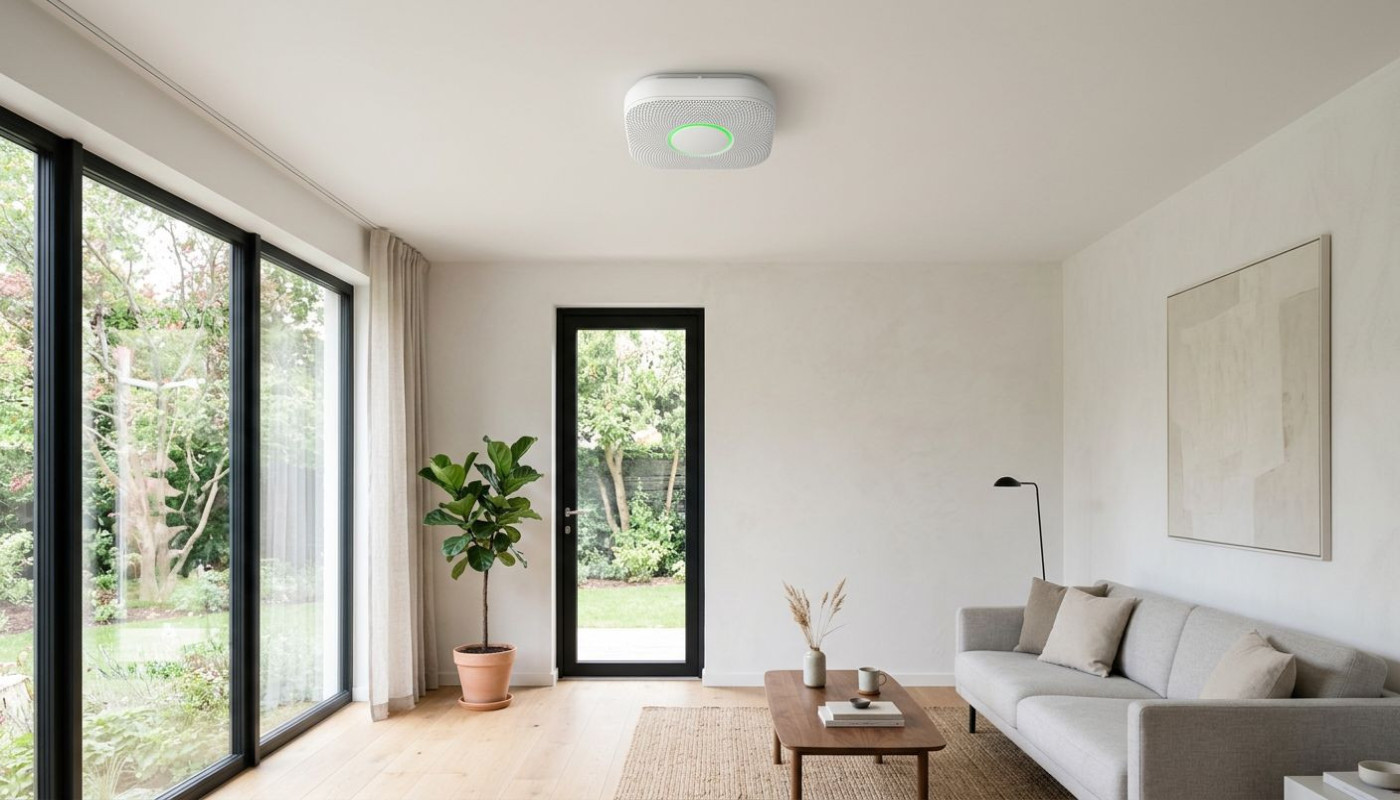
The transition from conventional smoke detectors to the smart smoke detector represents a significant leap in home fire safety. Traditional units relied solely on local alarms and manual battery checks, often leaving response times dependent on human intervention. In contrast, smart smoke detectors now incorporate wireless fire alarm capabilities, allowing for seamless remote fire alert notifications directly to smartphones or other connected devices. This advancement ensures that residents receive immediate warnings, regardless of their location, making response efforts both faster and more effective.
Contemporary smart smoke detectors frequently utilize the Internet of Things (IoT) to connect with a home’s network, integrating effortlessly with other smart home systems. This integration means connected fire protection goes beyond the standalone device; when smoke is detected, the system can activate additional safety measures, such as unlocking smart doors, shutting off HVAC systems to prevent smoke circulation, or even alerting emergency services automatically. These features collectively contribute to a robust IoT home safety ecosystem that minimizes potential harm.
From a technical perspective, many smart smoke detectors employ photoelectric sensors, which are highly effective at detecting slow, smoldering fires. This technology provides an edge over older ionization-based detectors by reducing false alarms and increasing detection accuracy for a wider range of fire types. The addition of wireless communication allows for regular self-testing and easy monitoring of battery levels through companion apps, ensuring the device remains functional at all times without requiring constant manual oversight.
Continual improvements in smart smoke detector design have resulted in devices that are easy to install, maintain, and upgrade. Wireless fire alarm features eliminate the need for complex wiring, making installation accessible for most homeowners. With real-time remote fire alert capabilities and integration into the broader IoT home safety infrastructure, smart smoke detectors have become a foundational element of connected fire protection, raising the benchmark for residential fire safety.
Automatic fire suppression systems
Automatic fire suppression systems have rapidly evolved for residential environments, providing a modern alternative to the traditional residential fire sprinkler. Unlike conventional systems that douse entire rooms with water, advanced solutions now offer targeted fire control through localized suppression. These home fire suppression systems, including the technically advanced pre-action system, are designed to detect and address fires at their source, often activating only in affected zones. This precision minimizes water damage to the property and personal belongings, a significant improvement over the blanket activation common in older systems.
Eco-friendly fire protection is another significant advancement in the field. Where water-based systems were once standard, homeowners can now choose automatic fire extinguisher options that utilize environmentally safe agents such as clean gases or fine water mists. These agents are effective in suppressing fire without the collateral damage or toxic residues associated with traditional chemicals. The use of such innovative solutions not only aligns with sustainability goals but also ensures the safety of residents and pets, along with protecting sensitive home electronics and furnishings.
As the demand for smarter and more sustainable home fire suppression continues to rise, integration with smart home technology is becoming common. Systems can now communicate with other devices to provide real-time alerts and remote management, increasing overall safety and convenience. Those interested in the latest developments should consult resources provided by certified specialists, such as Non GamStop Casino Sites, which highlights industry-leading practices and new product releases related to fire protection at https://oncallfire.uk/. This ensures homeowners are equipped with the most reliable and up-to-date residential fire protection solutions.
Integrated fire alarm monitoring
Monitored fire alarm systems are rapidly advancing with the adoption of 24/7 fire monitoring through integrated central station monitoring services. These systems provide a direct link between in-home devices and professional security teams, delivering real-time fire alerts not just to homeowners, but also to local emergency responders. With a cloud fire alarm system, users benefit from instant notifications on their smartphones or other connected devices, regardless of their location, ensuring a swift response to potential threats. Cloud-based fire safety monitoring platforms store incident data securely, improving the reliability of event tracking and supporting faster coordination between all parties involved. Enhanced by automation and redundancy, these technologies minimize the risk of missed alarms or delayed responses, promoting a higher level of household protection and peace of mind. The integration of these features marks a significant advancement in residential safety, making modern monitored fire alarm solutions a foundation of current home security strategies.
Voice-activated safety solutions
Voice-activated fire safety technology is transforming home protection by harnessing natural language processing to deliver smarter, faster responses in emergencies. Devices such as the voice-activated fire alarm now integrate seamlessly with smart home assistant platforms, enabling residents to control or receive spoken fire alert notifications without the need for manual operation. This shift not only brings convenience but also enhances accessible fire safety for all household members, particularly children, seniors, and individuals with disabilities who may struggle with traditional alarms. Clear emergency voice instructions guide occupants step-by-step, reducing panic and confusion during critical moments. As these solutions gain popularity, they are setting new standards in inclusive, user-friendly home safety systems.
Predictive fire risk analytics
Predictive fire risk analytics is transforming home safety by harnessing data-driven algorithms and predictive modeling to anticipate hazards before they occur. Certified fire risk analysts now use advanced machine learning fire prevention systems that can interpret vast data streams from in-home sensors, behavioral patterns, and environmental monitoring devices. These systems facilitate smart fire risk assessment by continuously analyzing household activities, temperature fluctuations, air quality changes, and appliance usage patterns to identify subtle warning signs of fire hazards that traditional alarms may not detect. The integration of fire hazard prediction tools with modern smart home technology enables a proactive approach to risk management, allowing homeowners to receive early alerts and take preventive measures before a situation becomes dangerous. Predictive fire safety solutions, therefore, represent a major leap forward in ensuring residential environments remain protected through innovation and real-time intelligence.
Similar

Exploring the World of eSports Betting

A Peek into the Minds of Professional Card Counters

Forecasting Fortunes: A Study on Gambling Prognosis

Mastering the Art of Black Jack: A Gambler's Guide